
Madhur Sangrah - Where Paper Meets Pixel

दिनांक 19 अप्रैल 2026 दिन बुधवार विक्रम संवत् 2083 वैशाख शुक्ल पक्ष तृतीया (अक्षय तृतीया) की हार्दिक शुभकामनाएं!
दिनांक 19 अप्रैल 2026 दिन बुधवार विक्रम संवत् 2083 वैशाख शुक्ल पक्ष तृतीया (अक्षय तृतीया) की हार्दिक शुभकामनाएं!
Translate
ACK-E-851-Last Days of the Mughal Empire
Tuesday, 17/03/2026 10:26 PM
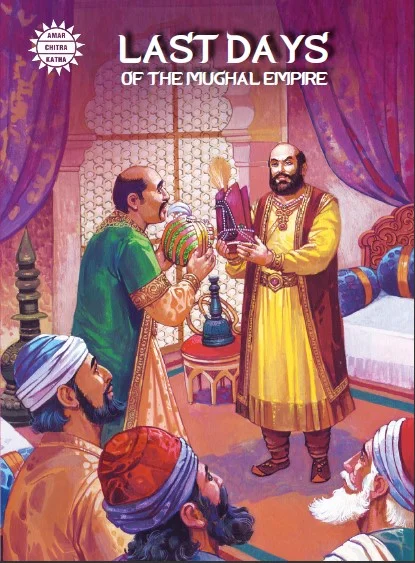
ACK-E-851-Last Days of the Mughal Empire
Last Days of the Mughal Empire
The Mughal Empire was once the greatest economic power in the world. It extended from Afghanistan to Myanmar, from Kashmir to the Kaveri basin. How did it disintegrate? What were the reasons? Read the fascinating story of the fall of the Mughal Empire, here.
 In 1707, Aurangzeb breathed his last as the emperor of the vast Mughal Empire, spreading from Afghanistan to Bengal and from Kashmir to the Carnatic region. The empire left to his descendants was the largest economy of its time, in the world. Yet it declined into oblivion. How did this magnificent empire, which spanned four centuries, end up in shambles? The years following Aurangzeb's demise were fraught with frequent battles of succession, infighting and betrayal, bringing forth inept rulers and poor leaders. The emperors thereafter led decadent lives, leaving the administration to corrupt officials and emptying coffers on frivolity. Their choices brought disrepute to their lineage and rendered them so weak that they could barely defend themselves against enemies, eventually having to cede their powers in exchange for protection.
Amar Chitra Katha brings you 'Last Days of the Mughal Empire', narrating the saga of how the sun set on a once powerful dynasty.

- Title : Last Days of the Mughal Empire
- Volume/Serial : 851
- Total Pages : 36
- Script : English
- First Published : Feburary 2021
- Publisher : Amar Chitra Katha



Leave a Reply