Madhur Sangrah - Where Paper Meets Pixel

दिनांक 20 अप्रैल 2026 दिन सोमवार विक्रम संवत् 2083 वैशाख शुक्ल पक्ष तृतीया (अक्षय तृतीया) की हार्दिक शुभकामनाएं!**यह साइट अभी निर्माणाधीन है!**
दिनांक 20 अप्रैल 2026 दिन सोमवार विक्रम संवत् 2083 वैशाख शुक्ल पक्ष तृतीया (अक्षय तृतीया) की हार्दिक शुभकामनाएं!**यह साइट अभी निर्माणाधीन है!**
Translate
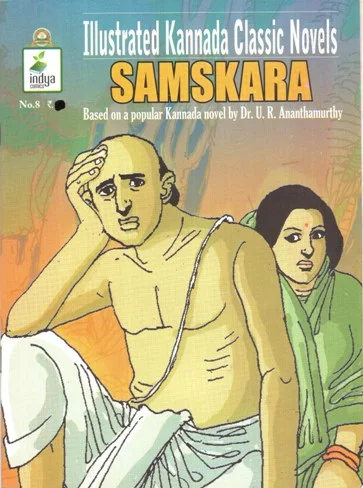
Samskara
Sunday, 26/07/2026 07:41 PM
Samskara
Samskara
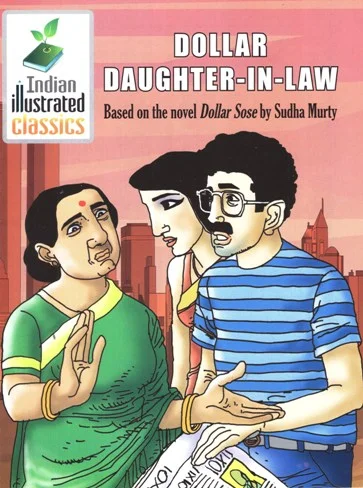
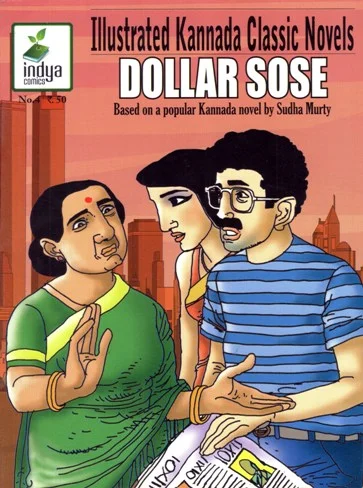
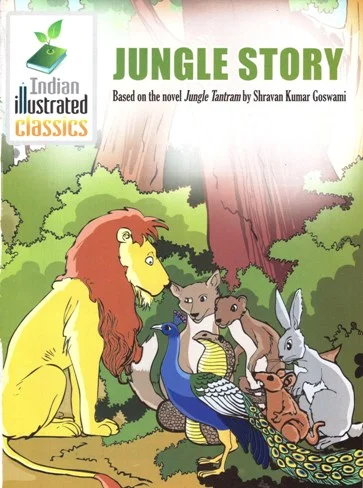
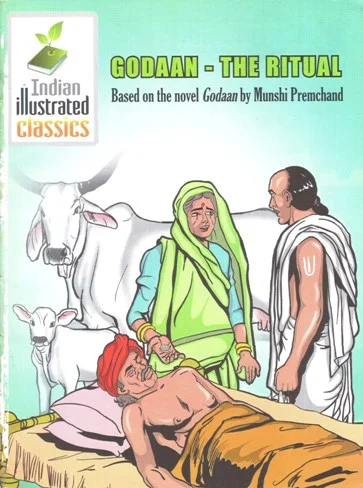
 Indian Illustrated Classics is an innovative literary project under which well known novels in seven Indian regional languages will be published in a simple and colorfully illustrated format. The idea is to introduce well known Indian literature and their writers to the reading masses. Each Indian Illustrated Classics book contains six well known novels which are individually summarized in just 32 pages and the entire story unfolds in a colorfully illustrated format. This way the reading process is simplified and the story is easily understood in a matter of minutes. The hallmark of Indian Illustrated Classics is all about inspiring readers towards fostering Indian literature, thus creating many more readers and admirers of the profound legacy of Indian writers and their best known books. It's also a matter of pride that Indian Illustrated Classics is the first and the only effort of its kind towards adapting and globalizing Indian literature in the graphical form of illustrations. Thus Indian Illustrated Classics is a dedication of our glowing tribute to the rich literary heritage of India.
Synopsis
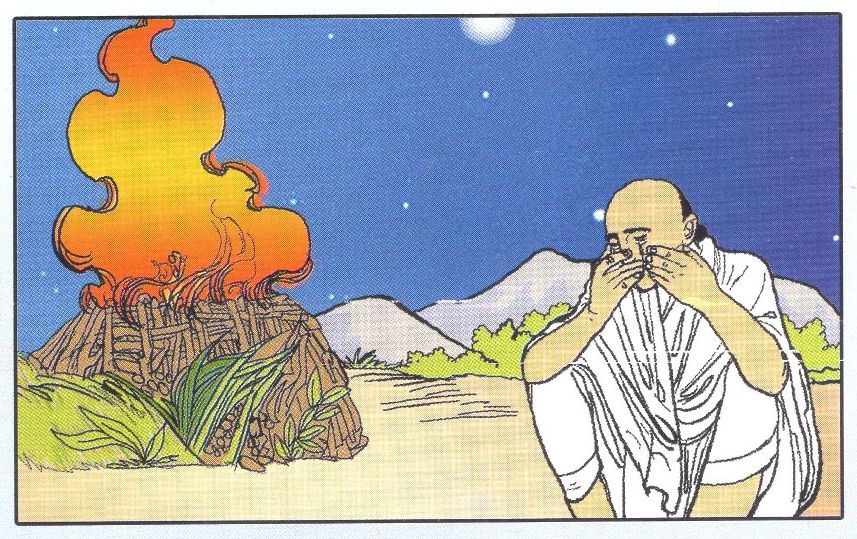
 Samskara is the story about the highly conservative Brahmins of village Durvasapura. There is utter confusion when Naranappa, a born Brahmin but who led an 'unholy' life, suddenly dies. Who is to perform the last rites and how? The Brahmin community cannot decide and Praneshacharya, an erudite scholar and a pious Brahmin, is unable to offer a solution. In a turn of events, the Acharya himself gets caught in a vortex of guilt and remorse. He quits the village as the dead body of Naranappa rots and in a turn and twist of events an illiterate young man helps Praneshacharya start life anew. Samskara is a critical look at the lifestyle of the orthodox Brahmin community in the early part of the 20th century. Samskara received widespread acclaim from both critics and general readers since its first publication in 1965. It was made into a powerful, award-winning film in 1970.
About The Author, 'U. R. Ananthamurthy'
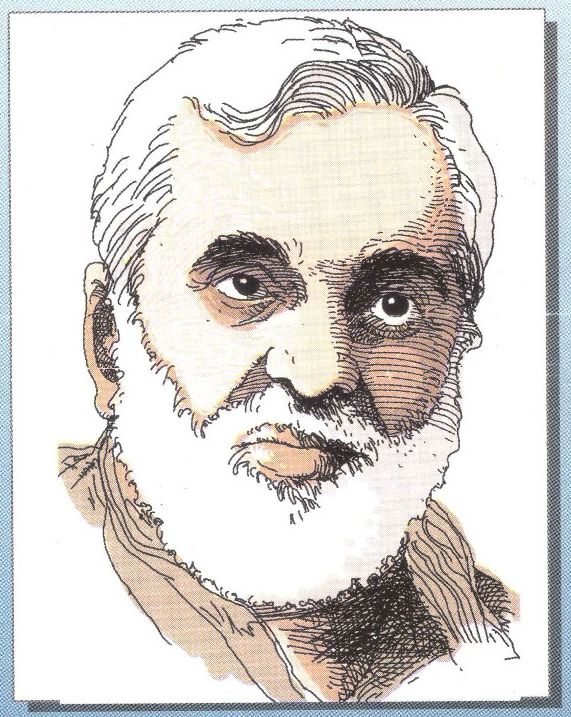 U. R. Ananthamurthy, the renowned Kannada literary figure, is known far beyond this language boundary for his social commitment. Born in 1932 in Melige in Karnataka, Ananthamurthy visited a traditional Sanskrit school and grew up, as he says, as a 'Gandhian socialist' and later studied English and Comparative Literature in Mysore and Birmingham where, in 1963-66, he studied for a Ph.D. He was a professor of English literature for several years at Mysore University, Vice- Chancellor of the Mahatma Gandhi University in Kottayam, Chairman of the National Book Trust and Chairman of the Central Sahitya Academy. Many guest professorships led him to Europe and the USA. He was also Chairman of the Film and Television Institute of India, Pune. Ananthamurthy began his literary career in 1955 with the story "Endendigoo Mugiyada Kathe". Since then he has published five novels, one play, six short story volumes, four poetry volumes (including translation of Tao, Yeats and Rilke and Brecht) and ten essay volumes in Kannada and several pieces on literature in English. His works have been translated into several Indian and European languages and have been awarded with significant literary prizes, including the prestigious Jnanapeeth Award (1994). He has also been honoured with Padma Bhushan.
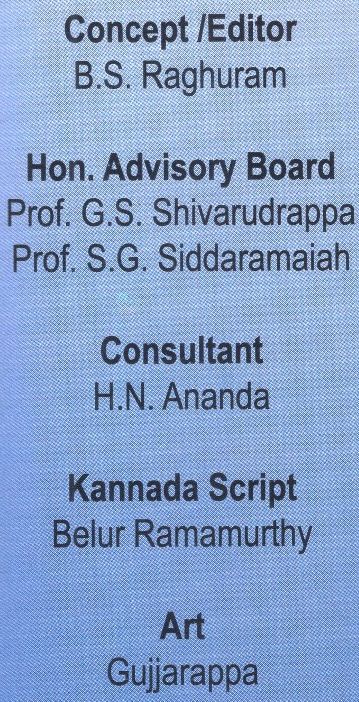
- Indya Comics
- Title : Samskara
- Category : Classics
- Volume/Serial : ..
- Total Pages : 36
- Script : English
- First Published : .............
- Publisher : Raghu Ram for Indya Comics, Bangalore, India


Leave a Reply