
Madhur Sangrah - Where Paper Meets Pixel

दिनांक 20 अप्रैल 2026 दिन सोमवार विक्रम संवत् 2083 वैशाख शुक्ल पक्ष तृतीया (अक्षय तृतीया) की हार्दिक शुभकामनाएं!**यह साइट अभी निर्माणाधीन है!**
दिनांक 20 अप्रैल 2026 दिन सोमवार विक्रम संवत् 2083 वैशाख शुक्ल पक्ष तृतीया (अक्षय तृतीया) की हार्दिक शुभकामनाएं!**यह साइट अभी निर्माणाधीन है!**
Translate
Gaurav Gatha-E-02-Bhagat Singh
Tuesday, 31/03/2026 01:04 PM
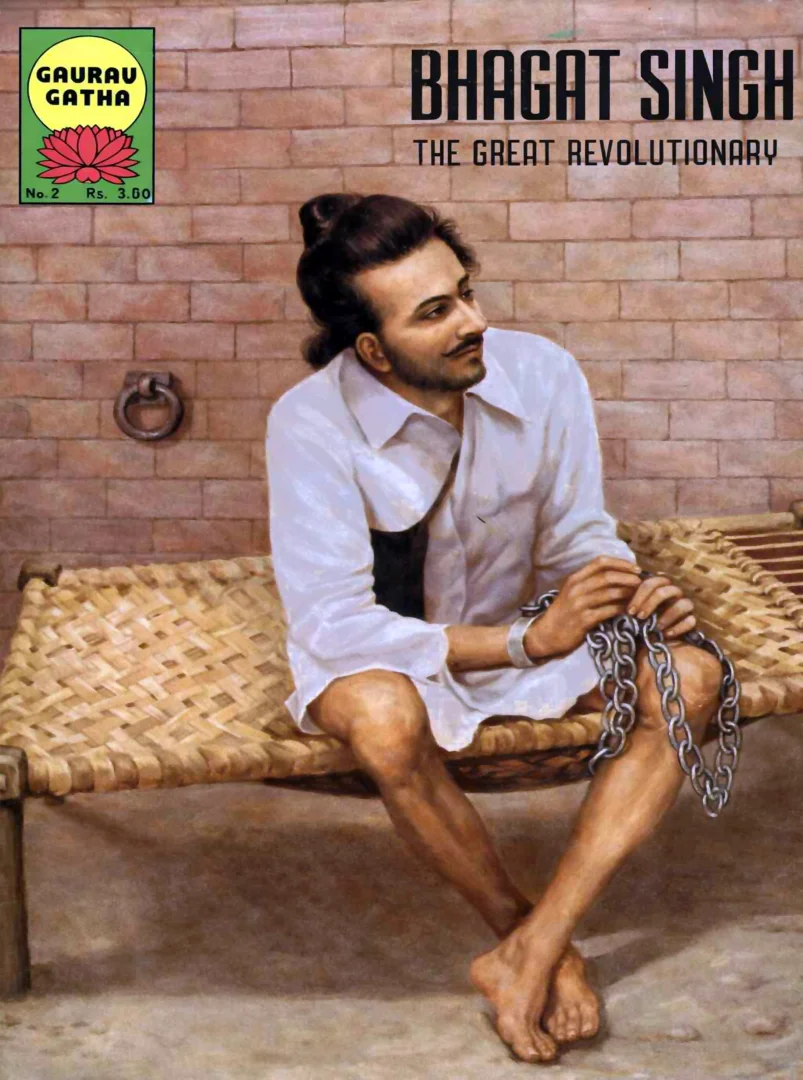
Gaurav Gatha-E-02-Bhagat Singh
Bhagat Singh THE GREAT REVOLUTIONERY
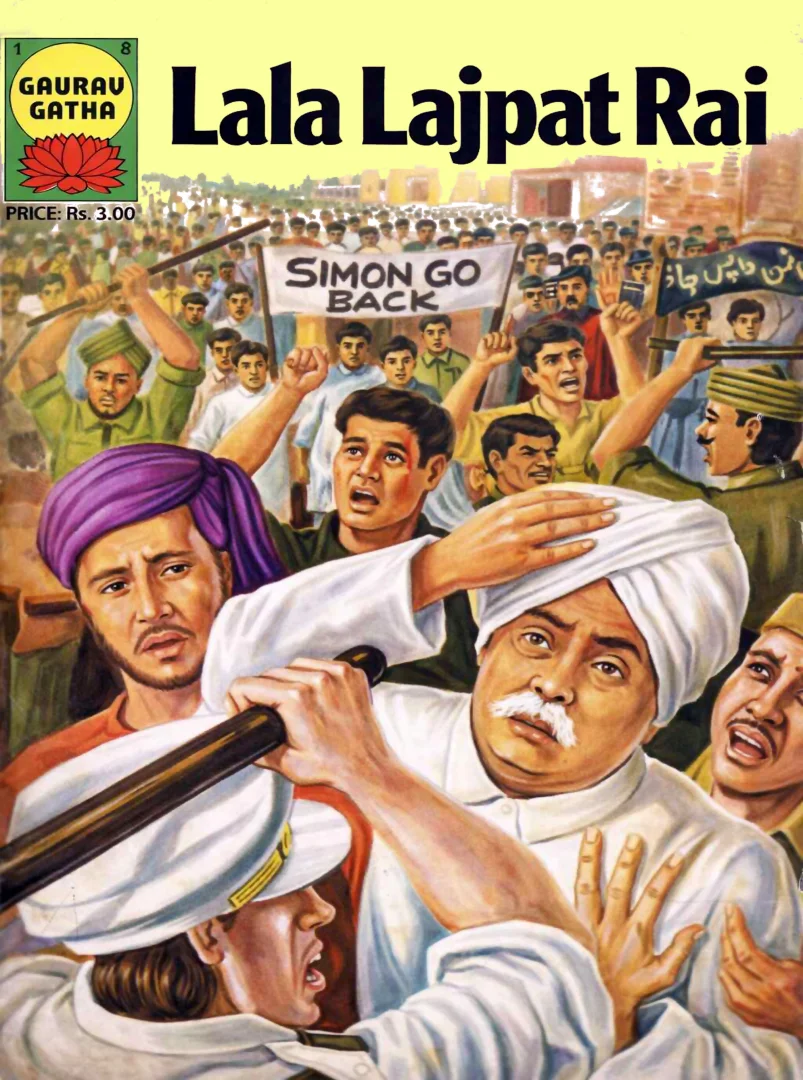
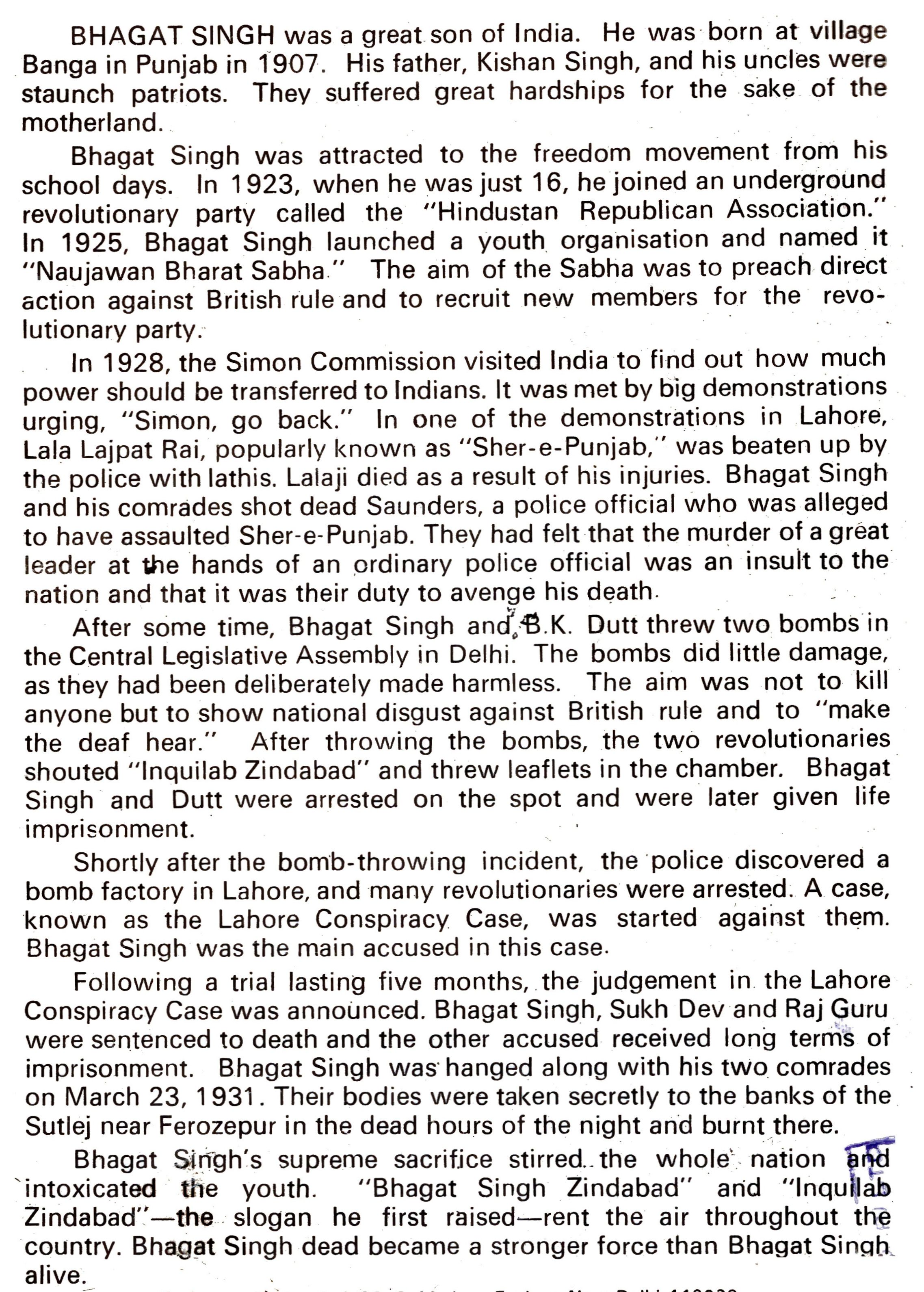 BHAGAT SINGH was a great son of India. He was born at village Banga in Punjab in 1907. His father, Kishan Singh, and his uncles were staunch patriots. They suffered great hardships for the sake of the motherland. Bhagat Singh was attracted to the freedom movement from his school days. In 1923, when he was just 16, he joined an underground revolutionary party called the "Hindustan Republican Association." In 1925, Bhagat Singh launched a youth organisation and named it "Naujawan Bharat Sabha." The aim of the Sabha was to preach direct action against British rule and to recruit new members for the revo- lutionary party. In 1928, the Simon Commission visited India to find out how much power should be transferred to Indians. It was met by big demonstrations urging, "Simon, go back." In one of the demonstrations in Lahore, Lala Lajpat Rai, popularly known as "Sher-e-Punjab," was beaten up by the police with lathis. Lalaji died as a result of his injuries. Bhagat Singh and his comrades shot dead Saunders, a police official who was alleged to have assaulted Sher-e-Punjab. They had felt that the murder of a great leader at the hands of an ordinary police official was an insult to the nation and that it was their duty to avenge his death. After some time, Bhagat Singh and B.K. Dutt threw two bombs in the Central Legislative Assembly in Delhi. The bombs did little damage, as they had been deliberately made harmless. The aim was not to kill anyone but to show national disgust against British rule and to "make the deaf hear." After throwing the bombs, the two revolutionaries shouted "Inquilab Zindabad" and threw leaflets in the chamber. Bhagat Singh and Dutt were arrested on the spot and were later given life imprisonment. Shortly after the bomb-throwing incident, the police discovered a bomb factory in Lahore, and many revolutionaries were arrested. A case, known as the Lahore Conspiracy Case, was started against them. Bhagat Singh was the main accused in this case. Following a trial lasting five months, the judgement in the Lahore Conspiracy Case was announced. Bhagat Singh, Sukh Dev and Raj Guru were sentenced to death and the other accused received long terms of imprisonment. Bhagat Singh was hanged along with his two comrades on March 23, 1931. Their bodies were taken secretly to the banks of the Sutlej near Ferozepur in the dead hours of the night and burnt there.
Bhagat Singh's supreme sacrifice stirred.. the whole nation and `intoxicated the youth. "Bhagat Singh Zindabad" and "Inquilab Zindabad"-the slogan he first raised-rent the air throughout the country. Bhagat Singh dead became a stronger force than Bhagat Singh alive.
- Gaurav Gatha
- Title : Bhagat Singh THE GREAT REVOLUTIONERY
- Serial No. : 02
- Pages : 36
- Script : English
- Publisher : Mrs Santosh Puri. New Delhi
- First Published on : June 1980
Leave a Reply